best time to visit Niagara Falls in Canada
When you’re planning a trip to Niagara Falls, Ontario (Canada side), one of the key questions is: What is the best time to visit Niagara Falls in Canada? This guide dives into the seasons, crowds, costs, weather and special events, so you can choose the ideal moment for your trip.
1. At a glance
The best time to visit Niagara Falls in Canada depends on your priorities:
- For mild weather + fewer crowds → late spring (April-May) or early fall (September-October).
- For full attraction access + warmest weather → summer (June-August).
- For lowest price + unique winter scenery → late fall to early spring (November-March).
2. Spring (April-May) – The Sweet Spot
If you ask “When is the best time to visit Niagara Falls in Canada for a balance of weather and crowd?” spring often wins. In April and May:
- Temperatures climb to around 13-19 °C (55-66 °F) and walking around is comfortable.
- The waterfalls are often boosted by snowmelt, making the spectacle even more powerful.
- Tourist numbers are moderate — attractions open, but fewer lines than peak summer.
Tip: Bring a light waterproof jacket — mist from the falls can make it feel cooler.
3. Summer (June-August) – High Energy Season
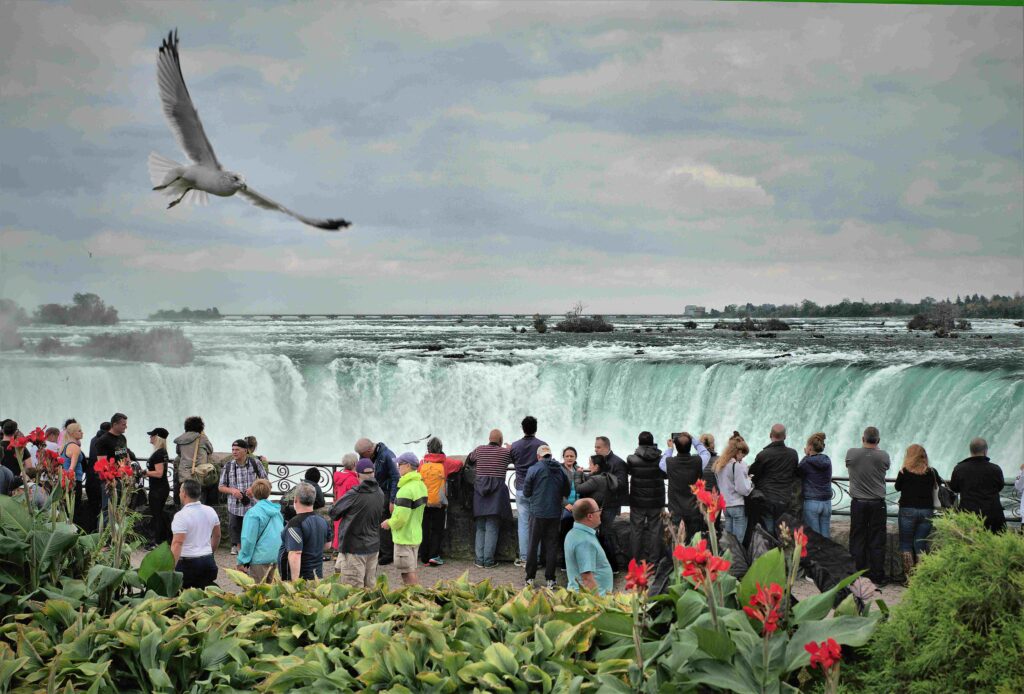
For those who prefer warm weather, full activity access and long daylight, then the summer months mark the best time to visit Niagara Falls in Canada — with caveats:
- Temps regularly reach 25-30 °C (77-86 °F) and all tours and services are running.
- But expect heavy crowds, especially during major holidays (e.g., Canada Day, Fourth of July) and high accommodation prices.
- If you go in summer: arrive early, book tours in advance (e.g., boat rides) and consider staying mid-week.
4. Autumn (September-October) – Colours & Cooler Comfort
Another strong contender for the best time to visit Niagara Falls in Canada is the early autumn period:
- September and early October bring milder weather (~16-22 °C) and beautiful fall foliage.
- Crowds ease compared to peak summer, and hotel rates may drop.
- Some attractions may start shortening hours in late October, so check ahead.
Tip: This is ideal for photographers and those wanting a slightly quieter experience.
5. Winter (November-March) – Quiet & Dramatic
If your travel style is more off-beat or budget-focused, then the best time to visit Niagara Falls in Canada might be winter:
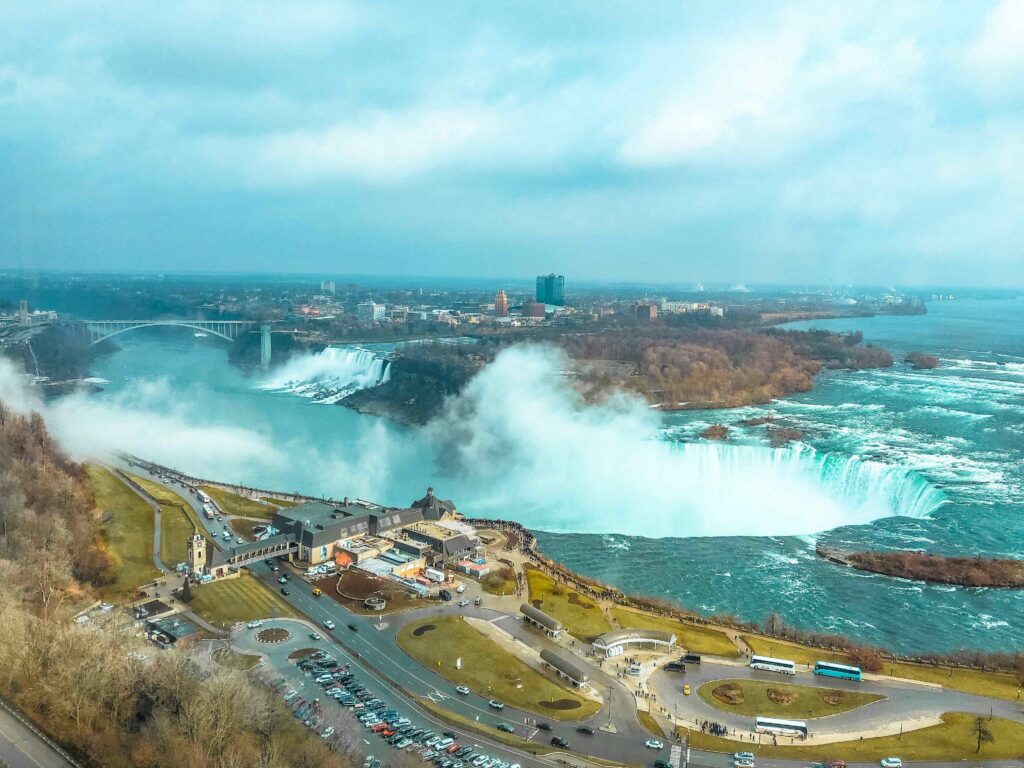
- Expect freezing temperatures (sometimes below 0 °C) and the falls may appear half-frozen — creating a dramatic landscape.
- Fewer tourists, lower hotel prices, and cozy indoor experiences (hotels, spas) make this appealing.
- However: many outdoor tours (boat rides, certain attractions) may be closed or operate on limited hours.
Recommendation: Bundle up. Check what attractions are open. Choose early winter (Nov) or late winter (March) for best trade-off.
6. Month-by-Month Quick Guide
Here’s a rapid breakdown:
- January–February: Very cold, low crowds, best for photography but limited tours.
- March–April: Temperatures begin to rise, crowds still moderate.
- May: One of the best all-round months — comfortable weather, full service, decent crowd size.
- June: Warm weather, services fully open, crowds ramping up.
- July–August: Peak in every sense — warmest, busiest, highest prices.
- September: Strong contender for best time — cooler but still good, foliage begins later.
- October: Beautiful fall colours but shorter days, some reduced service.
- November: Shoulder season — fewer crowds, lower cost, chillier weather.
- December–March: Winter wonder-land, dramatic but limited attractions.
7. Crowds, Accommodation & Pricing
When considering the best time to visit Niagara Falls in Canada, factoring in cost and crowd size is key:
- Peak summer means high rates for hotels, busy restaurants, booked tours.
- Shoulder seasons (late spring, early autumn) offer better value and fewer crowds.
- Low season (winter) offers the biggest savings but trade-offs on activity availability.
Tip: If your budget is constrained, consider November or late October—weather still okay and fewer people.
8. Weather & What to Pack
No matter when you go, you’ll want to plan for the micro-climate near the falls. Mist and spray can cool things down, and weather can change quickly.
Packing suggestions:
- Waterproof jacket or poncho (especially if you take a boat ride)
- Layers (spring/fall can shift from warm sun to cool wind)
- Good walking shoes
- For winter visits: heavy coat, gloves, hat, boots
9. Activities & What’s Open When
To maximise your visit and choose the best time to visit Niagara Falls in Canada, know what’s open:
- Many major attractions (e.g., boat tours, guided walks) run full schedule spring through fall.
- In winter, some may pause or reduce hours — check ahead.
- Example: The “Hornblower Niagara Cruises” (boat ride) typically runs May-Oct.
Tip: If a particular activity (boat ride, viewpoint, illumination) tops your list, pick your travel time accordingly.
10. Personalising Your “Best Time”
Which season is your best time to visit Niagara Falls in Canada? Ask yourself:
- Do I want warm weather and long daylight? → Summer
- Do I prefer moderate weather and avoid crowds? → Late Spring or Early Autumn
- Do I want the lowest cost or unique winter scenery? → Winter/Shoulder season
- Am I flexible about activities or focused on one major tour? → Choose when that tour runs
11. Bonus: Photo & Viewpoint Tips
If photography is a priority, picking the right season helps. For instance:
- Autumn = fall foliage + mist + golden light
- Spring = strong water flow + fresh greenery
- Winter = ice formations + serene, fewer tourists
12. Summary & Final Recommendation
In short:
The best time to visit Niagara Falls in Canada for most travellers is late April through early June or September, when weather is good, crowds moderate, and value reasonable.
If you prioritise warmest weather and maximum activity — go summer, but book early.
If budget or solitude is your priority — winter/shoulder season will reward you in its own way.
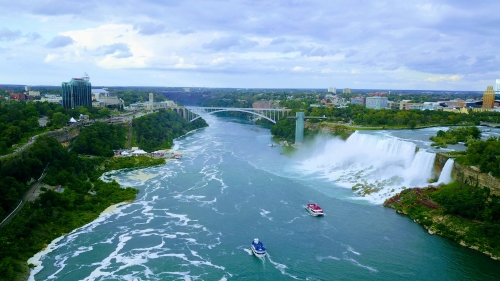
Remember: whichever season you choose, the natural wonder of Niagara Falls remains spectacular, and planning smartly around crowds, weather and attraction schedules will make your visit much more enjoyable.